Splitting "three jobs" is the fastest path to more tours and less turnover
Most senior living communities aren't struggling because they have "bad leads."
They're struggling because the sales role is doing three different jobs at the same time: pre-sale follow-up, in-person selling, and post-sale onboarding.
When one person is responsible for all three, something always breaks.
That misconfiguration is why families can't reach anyone. It's why sales teams start taking shortcuts. And it's why "all leads are bad" becomes the default narrative when the real issue is a process bottleneck.
The "three jobs" trap
Here's what senior living sales looks like before a company implements a true lead-response system.
A salesperson is expected to:
1. Do all pre-sale activity
Receive leads, document them, call them, text them, email them, and try to book the next step.
2. Run the actual sale
Meet families in person and give tours.
3. Handle post-sale onboarding
Coordinate paperwork, answer follow-up questions, and support the move-in process.
That's three jobs, not one.
And the role isn't just hard. It's structurally impossible to do well without tradeoffs.
If a sales director spends more time building relationships during tours (walking families through concerns, meeting their adult children, taking them to lunch), they aren't at their desk responding to new leads.
If they're great at onboarding (available, responsive, making sure paperwork is done and move-in happens smoothly), then pre-sale follow-up suffers.
If they try to stay on top of leads and respond instantly, tours and onboarding take a hit.
This isn't a performance issue. It's a design problem.
How it creates the "bad lead" narrative
When a job is overloaded, people start doing what humans always do under pressure: they triage.
And that's where the "bad lead" narrative begins.
Sales teams start guessing which leads are worth their time based on anecdotal patterns:
- "If someone downloaded that resource, they're probably not serious."
- "If the form says this, it's not a good lead."
- "If it came from that source, it's a waste of time."
But you don't know whether a lead is good or bad until you actually talk to them. Or at least have a meaningful back-and-forth.
The shortcut is understandable. It's also expensive.
The leads aren't "bad." They're going stale.
Time is the biggest factor that turns a lead into a dead end. If a prospect isn't called quickly enough, or the touchpoint volume isn't there, they disappear. Not because they were never interested. Because nobody caught them while they were actively looking.
And meanwhile, the family experience is just as broken.
We've heard stories of families leaving work and physically showing up at a community just to get basic information because they couldn't reach anyone by phone.
So you get frustration on both sides. Families feel ignored. Sales feels overwhelmed and blames lead quality.
That's what a misconfigured role creates.
The downstream effect is burnout and turnover
This isn't just about conversion rates.
It's about the day-to-day lived experience of the person running sales in the building.
When someone is forced to do three jobs at once, they spend their days bouncing between chasing leads, giving tours, managing paperwork, responding to internal demands, and handling whatever else comes up.
It's exhausting.
And over time, burnout is predictable. So is turnover.
We've heard sales directors describe the difference as dramatic once the "chasing" work is separated from the in-person selling work. When you remove the scramble, the job becomes what it was supposed to be: helping families, building trust, and giving great tours.
What changes when you separate follow-up from touring
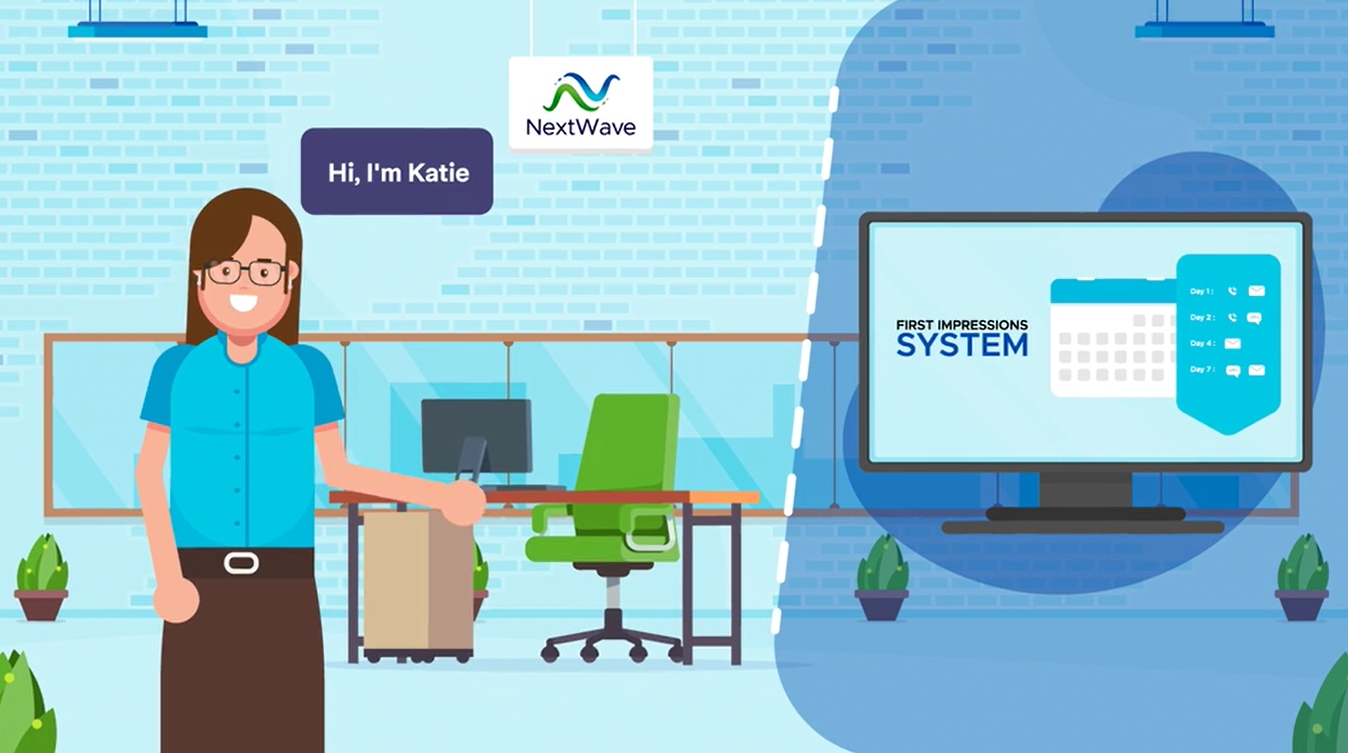
Here's what the best day in sales looks like.
A sales director walks in and their calendar is already filled with pre-qualified tours. They didn't have to run 800 to 1,000 different sales activities to get there.
They show up with energy. They have bandwidth. They can actually be present with families.
And something unexpected happens: they get time back to do the things that build demand long-term, like community events, lunch-and-learns, relationships with senior centers, and local outreach.
That's what happens when sales directors aren't trying to simultaneously be an SDR, an AE, and an onboarding coordinator.
Splitting the role doesn't just raise occupancy. It improves job satisfaction and reduces burnout.
And there's a second-order benefit executives care about: consistent coverage. When someone is always available to respond, follow up, and nurture, leaders stop worrying that leads are getting lost. This matters especially across multiple communities with uneven staffing.
Lead response is an investment metric, not a marketing metric
One of the most misunderstood parts of senior living growth is this: lead response isn't a "marketing problem." It's a performance problem.
We learned this when we ran a secret shop across 150 communities.
What we found was bad:
- Average response time: 46 hours
- 30% of communities never responded at all
From an operator's perspective, that's lost tours.
From an investor's perspective (especially in portfolios backed by private equity), that's directly tied to asset performance.
If occupancy improves because leads are being contacted, nurtured, and converted more consistently, that affects NOI, portfolio performance, and property valuation.
That's why this belongs in the same category as any other high-leverage operating metric.
The metrics that tell you what's actually happening
This is the sharpest takeaway in this entire conversation.
If you can't answer these questions with real numbers, you're guessing:
- What is your lead-to-tour percentage?
- What is your contact rate percentage? (Out of 10 leads, how many did you actually speak to?)
When teams can't answer those questions, they're managing on vibes.
They may feel like they're "doing the best they can." And they probably are. But the organization can't improve what it can't measure, and it can't hold a process accountable if it's never been defined.
When you put response and conversion into numbers, the conversation gets simple:
- How many leads came in
- How many were contacted
- How many booked tours
- How many showed up
- Where we're losing people
That's it. The data removes the guesswork.
A practical model that works
The fix isn't complicated in concept. It's just rare in execution.
A modern model looks like this:
1) Remote coverage for the pre-sale work
A dedicated team receives inbound leads and follows up fast across phone, email, and text. No lead waits while the sales director is in a tour.
2) Integrated tools that remove manual work
Senior living CRMs are all over the place, from pen-and-paper to disconnected spreadsheets to fully integrated systems.
The goal is simple: a CRM that connects to lead sources, communications, scheduling, and operational tools so follow-up is consistent and measurable.
3) Consistent follow-up volume
The difference between a "bad lead" and a booked tour is often the number of touches. Time, frequency, and consistency matter more than most teams realize.
4) A no-show prevention layer
Booking a tour isn't the end. Getting them to show up is.
Pre-tour packets, reminders, and expectation setting reduce flake-outs and protect your calendar.
Why this works
Most operational improvements in senior living take months.
This one can change outcomes fast because the benchmark is so low.
If the average community takes 46 hours to respond, then responding within 30 minutes puts you ahead of most competitors. Responding within five minutes creates a completely different experience for families.
And the communities that do this don't need better leads or a bigger budget. They just stop losing the leads they already have.
Key takeaways
- The senior living sales role is misconfigured: one person is expected to do pre-sale follow-up, tours, and onboarding. Something always suffers.
- That misconfiguration causes shortcuts, including the "bad lead" narrative. You don't know lead quality until you talk to people. Most leads go stale because of slow response and inconsistent touchpoints.
- Families feel it too: when they can't reach anyone, trust erodes and they move on.
- The best day in sales is walking in with pre-qualified tours already booked. More energy, more presence, more time for demand-building work.
- Executives benefit from consistent coverage because leads aren't getting lost, especially across multi-community portfolios.
- If you can't answer lead-to-tour % and contact rate %, you're managing on vibes.
- A practical model: remote coverage, integrated tools, consistent follow-up, and no-show prevention.
Next steps
Start with a simple test.
Submit a lead through your website (or have someone call in). Time how long it takes to get a real response.
Then ask: what happens if the sales director is in tours all day? What happens after 5pm? On weekends?
Next, pull two numbers: lead-to-tour percentage and contact rate percentage.
If you don't have them, that's the point. Build the tracking first, then fix the workflow.
When you split the three jobs into a system with clear ownership, the outcome is predictable: more tours, less burnout, less turnover, better performance.
NextWave helps senior living operators improve lead response, tour volume, and follow-up consistency through the Occupancy Advantage System so sales directors can focus on in-person tours while every lead gets fast, consistent contact.
.webp)
.png)